Muscle strain or whiplash after a collision, when each claim route fits
Understanding the difference between muscle strain and whiplash
After a road collision, the body can react in several ways. Two common outcomes are muscle strain and whiplash. While both involve soft tissue damage, they affect different structures and can lead to different recovery paths. Muscle strain typically involves a tear or overstretching of a muscle or tendon, often in the neck, shoulders, or back. Whiplash, on the other hand, is a specific injury to the neck's soft tissues, ligaments, muscles, and tendons, caused by a sudden back-and-forth motion of the head, like a whip cracking.
Knowing which injury you have matters for your recovery and for any compensation claim. The symptoms can overlap, but the treatment approach and the evidence you need to support a claim can differ. For anyone considering road accident compensation, getting a clear diagnosis is the first step.
Signs of muscle strain after a collision
Muscle strain often shows up as a sharp pain at the time of impact or within a few hours. The area may feel tender, swollen, or stiff. You might find it hard to turn your head, lift your arm, or bend your back. The pain is usually localised to one spot. Common sites include the upper back between the shoulder blades, the side of the neck, or the lower back. Headaches can also develop, especially if the strain is in the neck muscles.
If you have a muscle strain, rest and gentle stretching often help within a few days. But if the pain persists or worsens, a medical examination is wise. A doctor can check for any underlying damage and advise on recovery exercises.

Whiplash, more than just neck pain
Whiplash is a classic injury in rear-end collisions, but it can happen in any crash that jerks the head. The hallmark symptom is neck pain that may not appear until 12 to 24 hours after the accident. Alongside neck pain, many people experience headaches, reduced mobility in the neck, dizziness, and sometimes pain or tingling in the arms. The symptoms can last weeks or months, and in some cases, longer.
Because whiplash involves the ligaments and nerves, recovery can be slower than for a simple muscle strain. Physical therapy, pain management, and time are often required. A medical professional can diagnose whiplash through a physical exam and possibly imaging, though X-rays or MRIs are not always needed.
How the injury type affects a compensation claim
When pursuing road accident compensation, the type of injury you have influences the evidence you gather and the timeline of your claim. A muscle strain might heal quickly, which can simplify the process. Whiplash, because it can be more persistent, may require more documentation of ongoing symptoms and treatment.
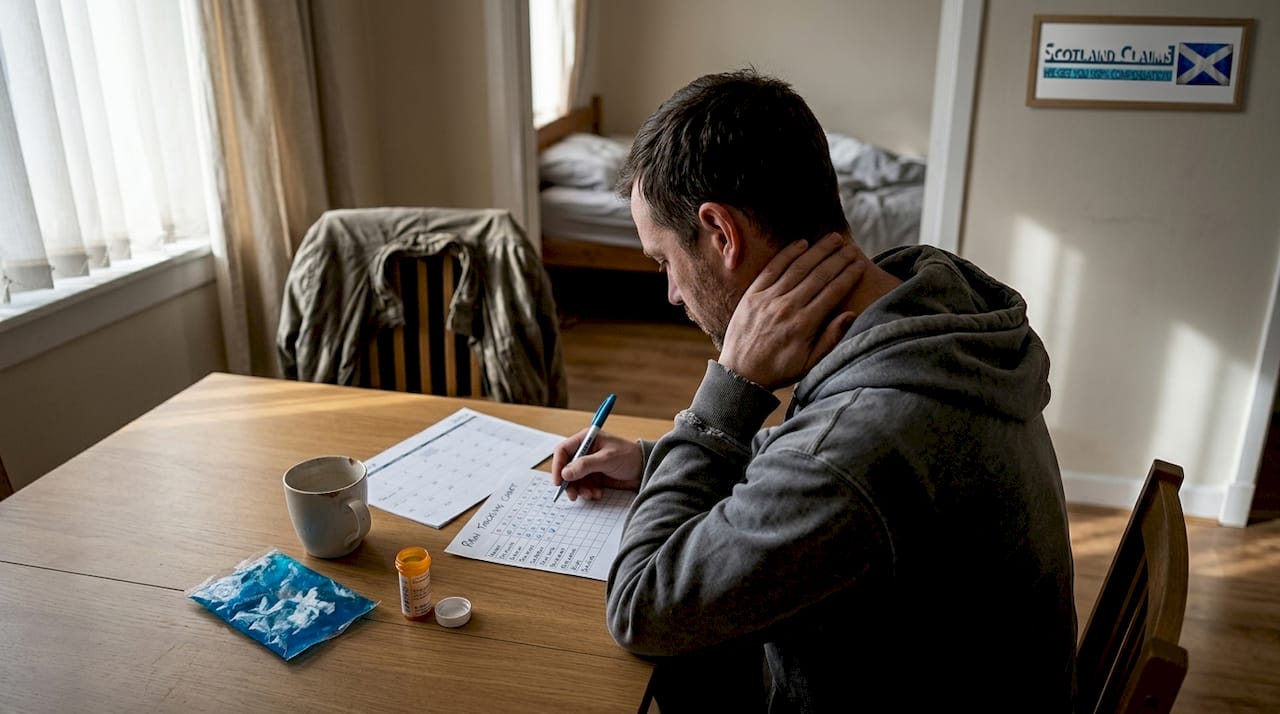
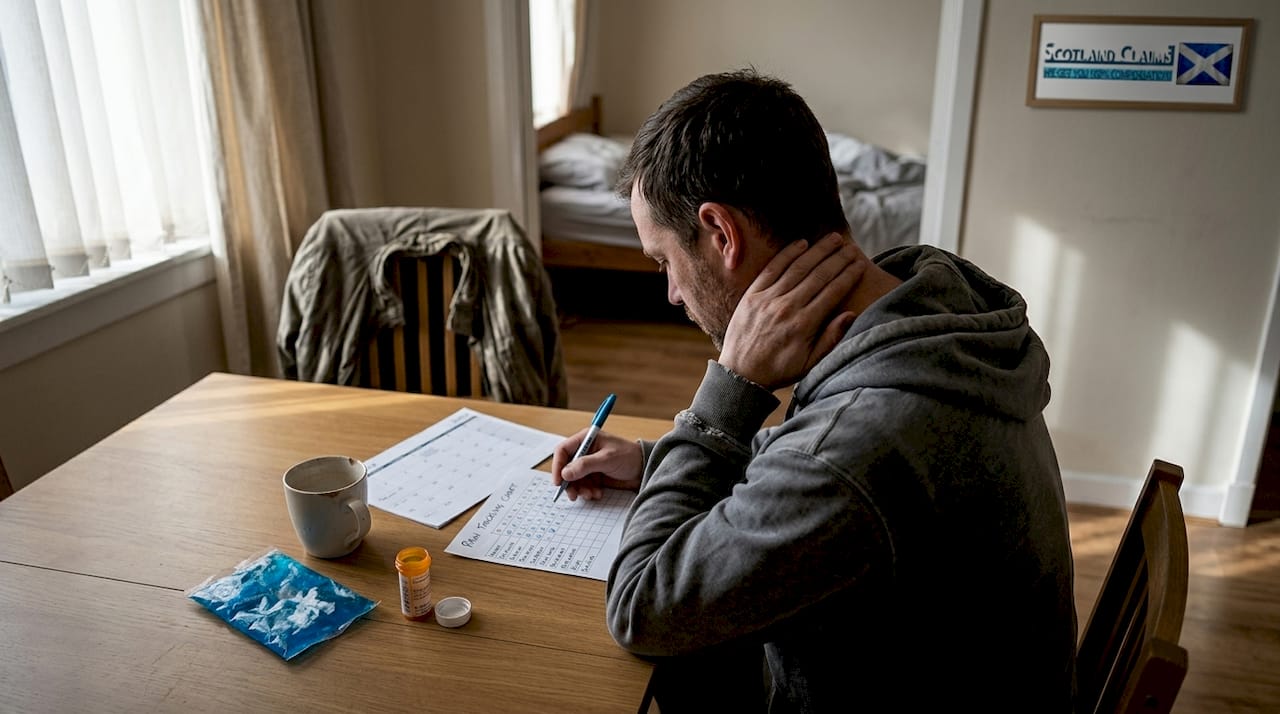
In either case, keeping a symptom diary is useful. Note when the pain started, how it feels, what makes it worse or better, and how it affects your daily life. This record helps your legal team and medical experts understand the full impact of the injury. Medical records from your GP or hospital visits are also essential. They provide an objective account of your condition and treatment.
When to seek legal advice after a collision
If you have been in a road collision and have suffered any injury, whether it feels like a mild strain or a clear whiplash, you may be entitled to compensation. The process can feel overwhelming, especially when you are also dealing with pain and reduced mobility. That is where professional guidance helps. Scotland Claims Injury Lawyers can explain what evidence you need and how to present your case clearly. They work on a no win no fee basis, which means you do not pay upfront legal fees. That arrangement makes it possible for people in Scotland to pursue compensation without financial risk.
Comparing the two claim scenarios
If you have a muscle strain that resolves in a few weeks, your claim might be straightforward. The medical evidence is clear, and the recovery period is short. The compensation typically covers pain, any lost earnings, and treatment costs. In contrast, whiplash claims often require more detailed medical reports, especially if symptoms last several months. The compensation may be higher to account for longer recovery, ongoing pain, and possible loss of function.
Neither route is better or worse, it depends on your specific injury and how it affects your life. The key is to get a proper diagnosis early and to keep thorough records. Even if you feel fine right after the accident, symptoms can appear later. So, see a doctor as soon as possible, even if you think the injury is minor.
Practical steps after a road collision
Whether you suspect muscle strain or whiplash, there are practical things you can do to protect your health and your potential claim:
- Seek medical attention promptly. A doctor can diagnose the injury and start treatment.
- Keep a symptom diary. Write down what hurts, when, and how it affects your day.
- Gather evidence from the scene if you can. Photos, witness details, and the police report can help.
- Follow your doctor's advice. Rest, exercises, or physiotherapy can speed recovery and show that you are taking your health seriously.
- Contact legal professionals early. They can advise on what to do next and what not to say to insurers.
Common pitfalls to avoid
One mistake people make is downplaying their symptoms. If you tell a doctor or insurer that you are fine when you are not, it can harm your claim later. Another is waiting too long to see a doctor. Delays can make it harder to link the injury to the crash. Also, avoid posting about the accident on social media. Insurers may use your posts to argue that your injuries are not serious.
Building your case with the right support
The road to compensation after a collision is not just about proving that the crash happened. It is about showing how the injury changed your life. For muscle strain, that might mean a few weeks of limited movement and missed work. For whiplash, it could mean months of neck pain, headaches, and difficulty sleeping. Both are valid grounds for a claim, but the evidence you present must match the reality of your injury.
Working with experienced legal representatives can make a real difference. They understand the medical and legal aspects of these injuries. Scotland Claims Injury Lawyers have the knowledge to help you navigate the process, ensuring your claim is based on solid evidence and presented properly. Their no win no fee approach means you can focus on recovery without worrying about legal costs.
Final practical advice
If you have been in a road collision and feel pain in your neck, back, or shoulders, do not ignore it. The difference between a muscle strain and whiplash is not always obvious at first. A medical examination is the best way to know what you are dealing with. Once you have a diagnosis, you can decide how to proceed with your claim. Keep your symptom diary up to date, follow your treatment plan, and seek legal advice sooner rather than later. The right approach depends on your injury, but the goal is the same: fair compensation that reflects what you have been through.